Our finishing work
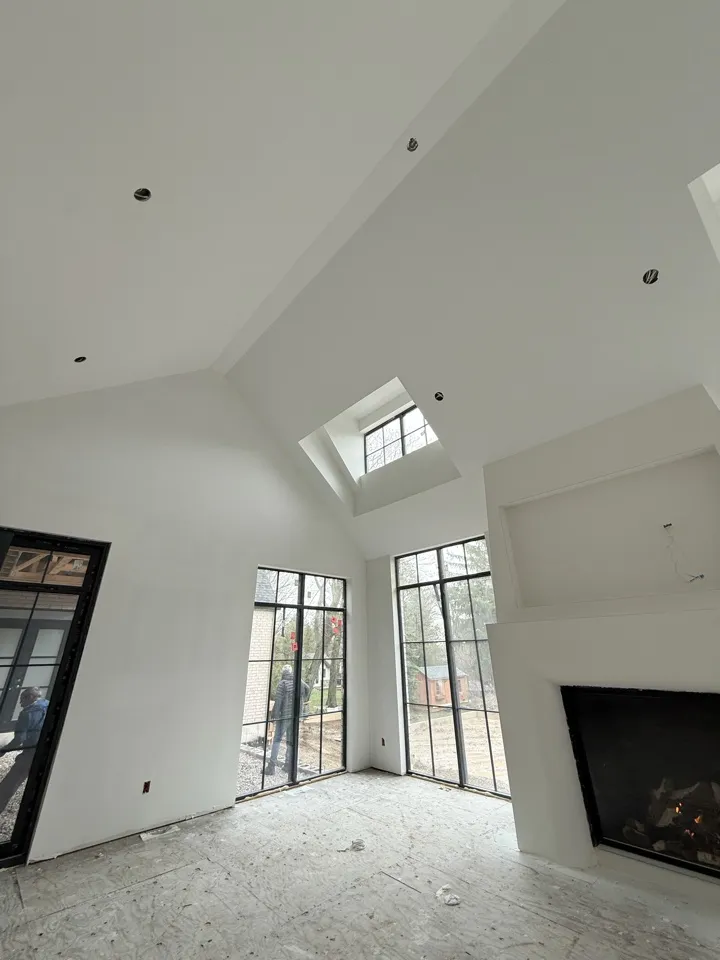
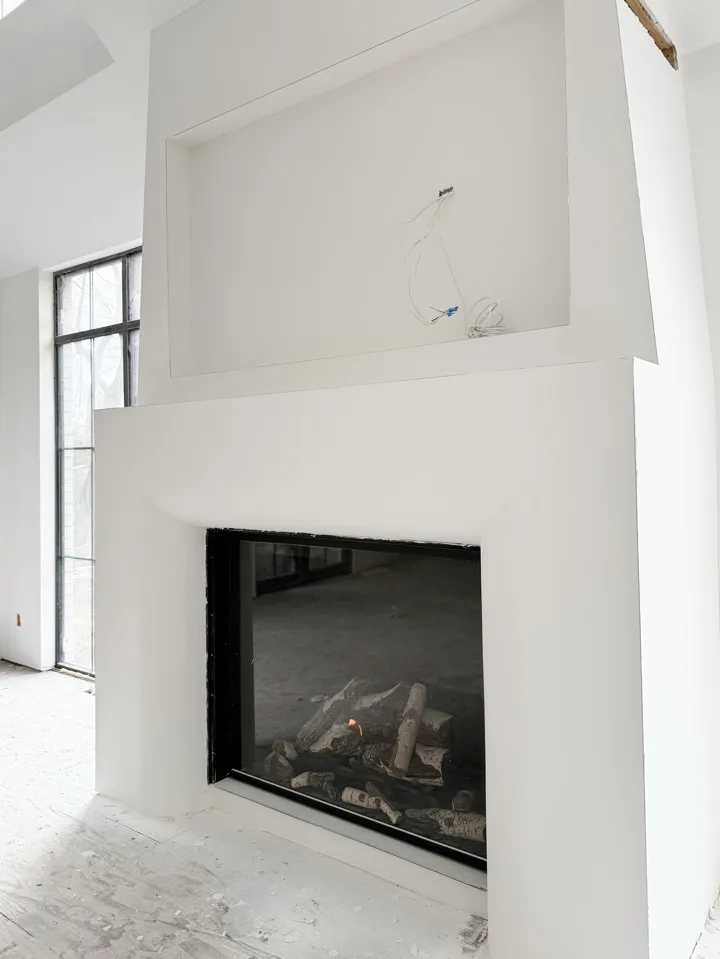
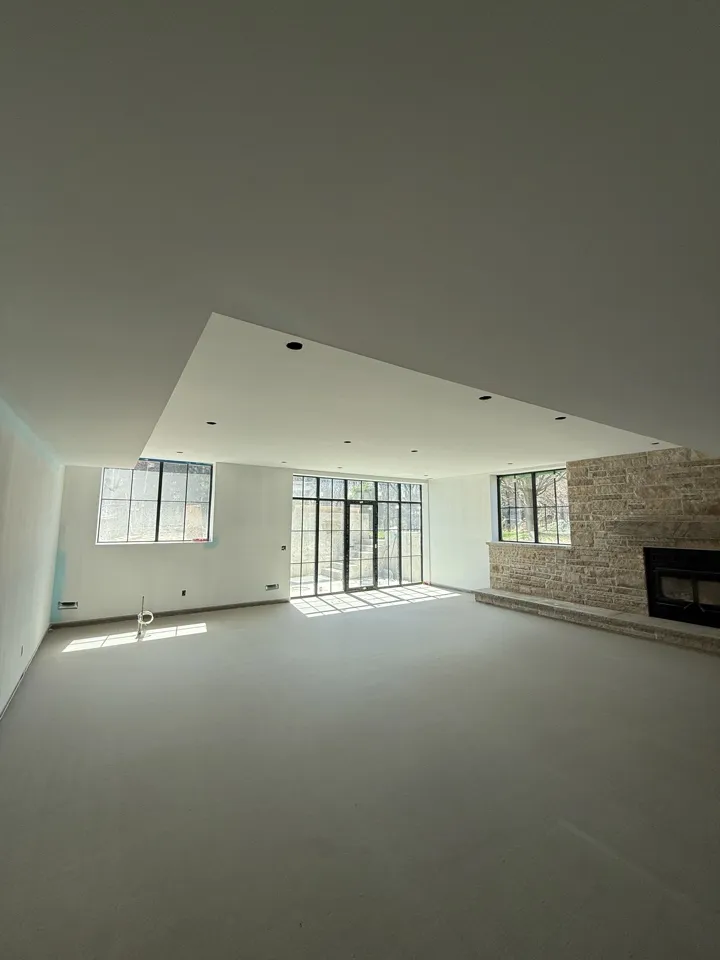
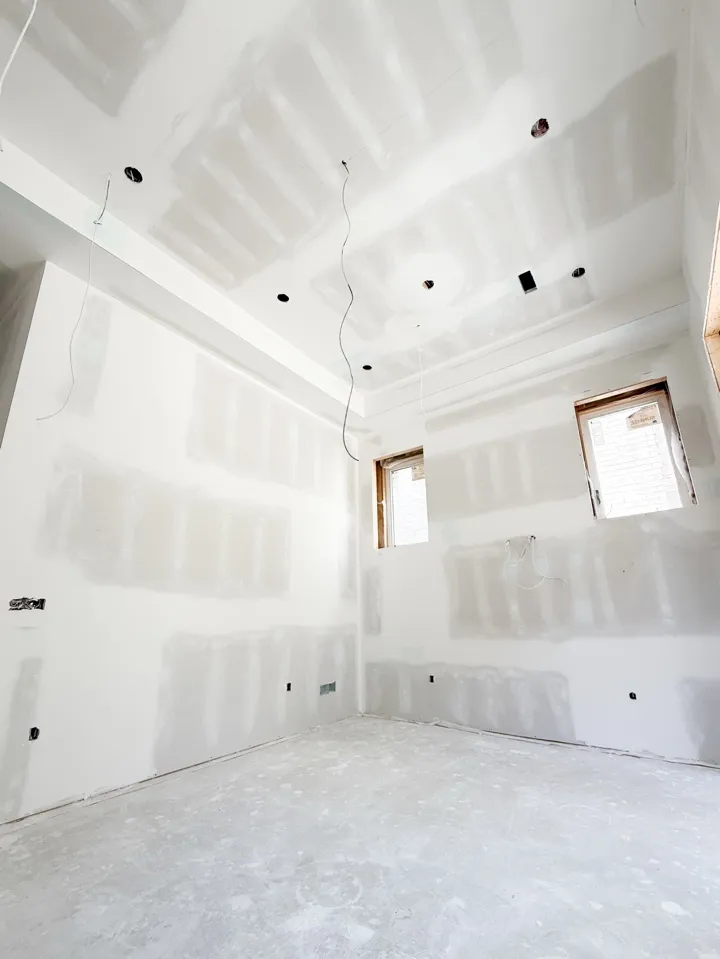
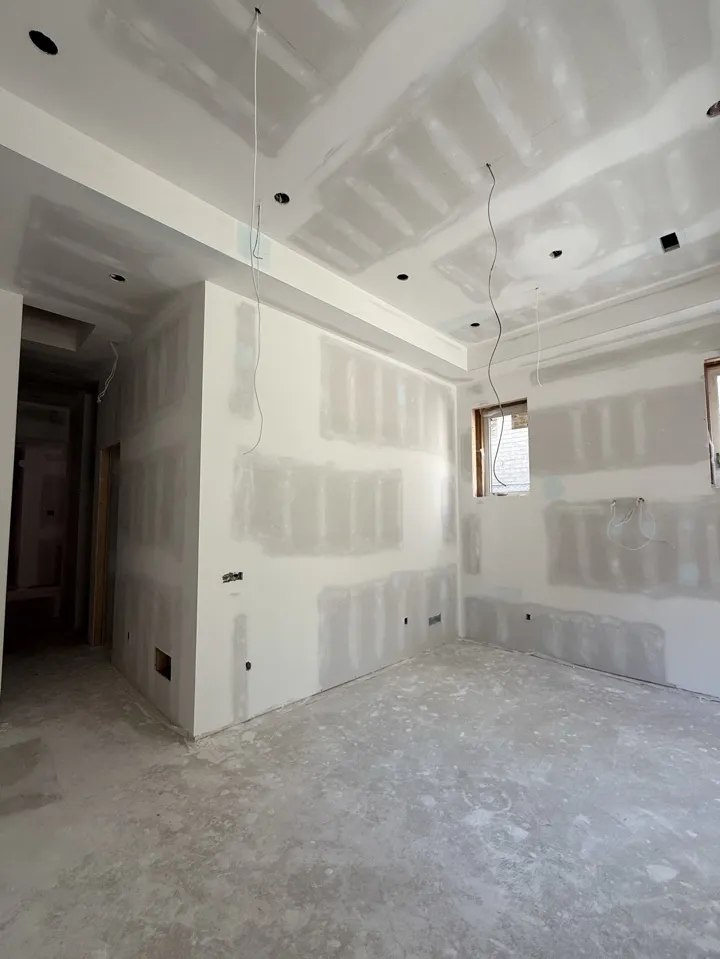
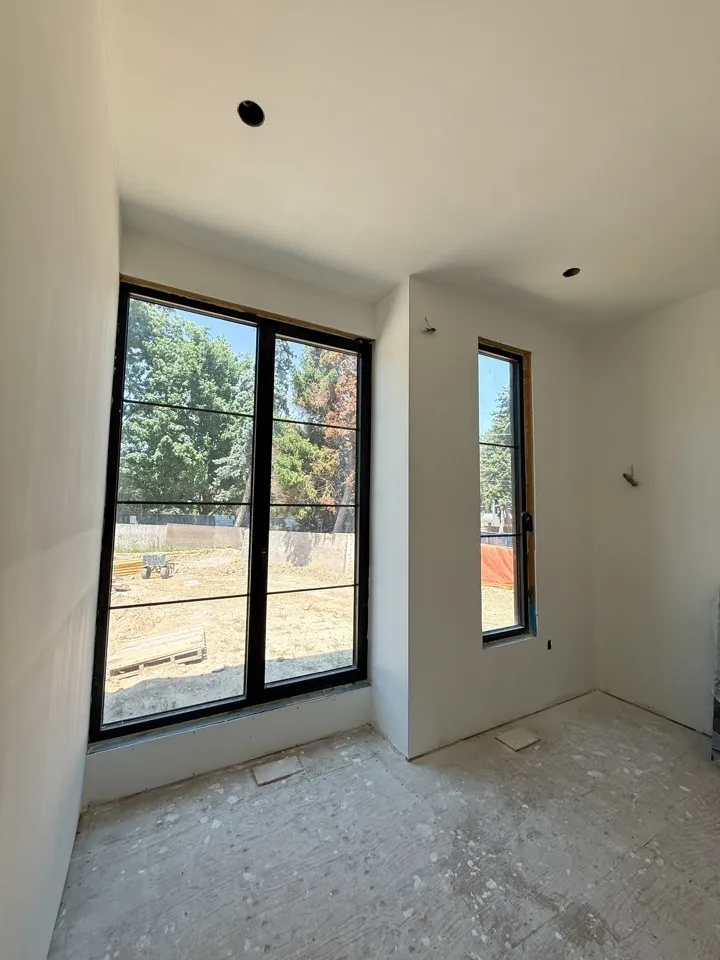
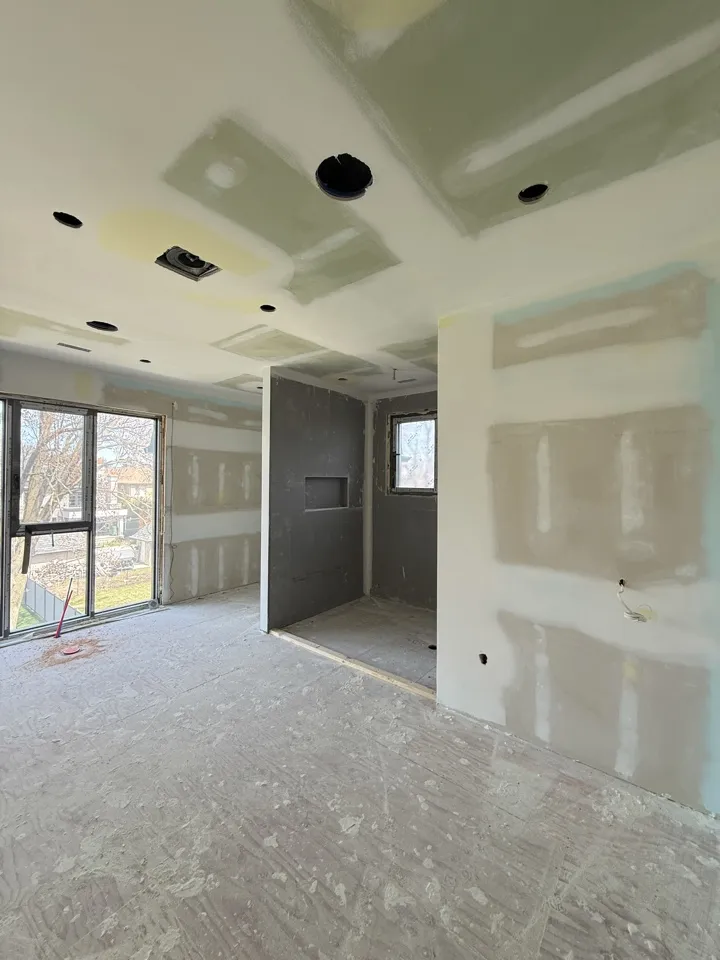
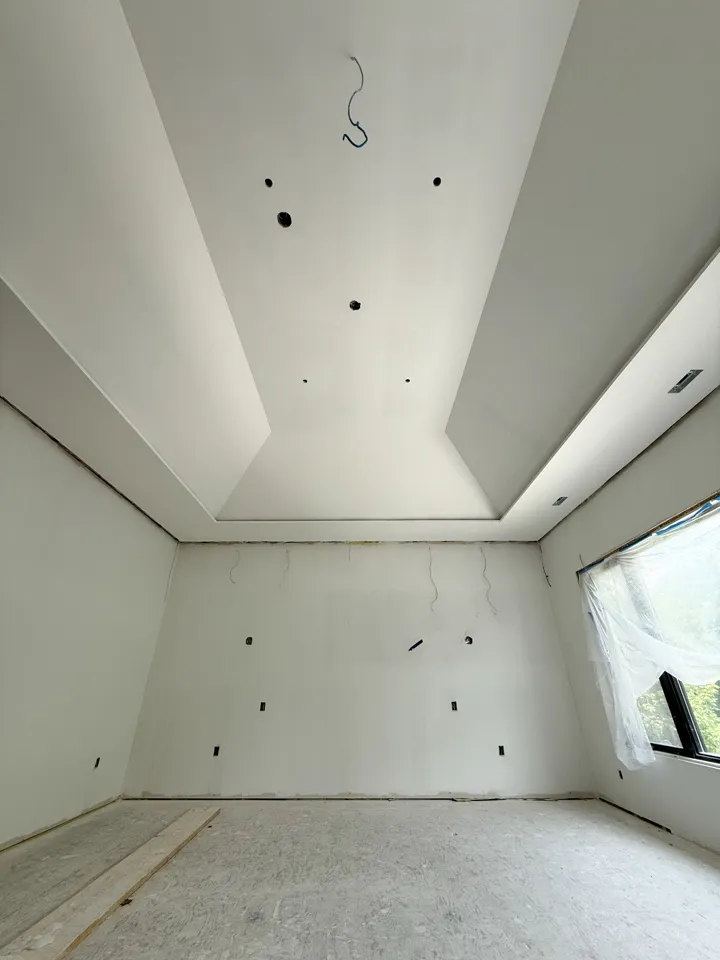
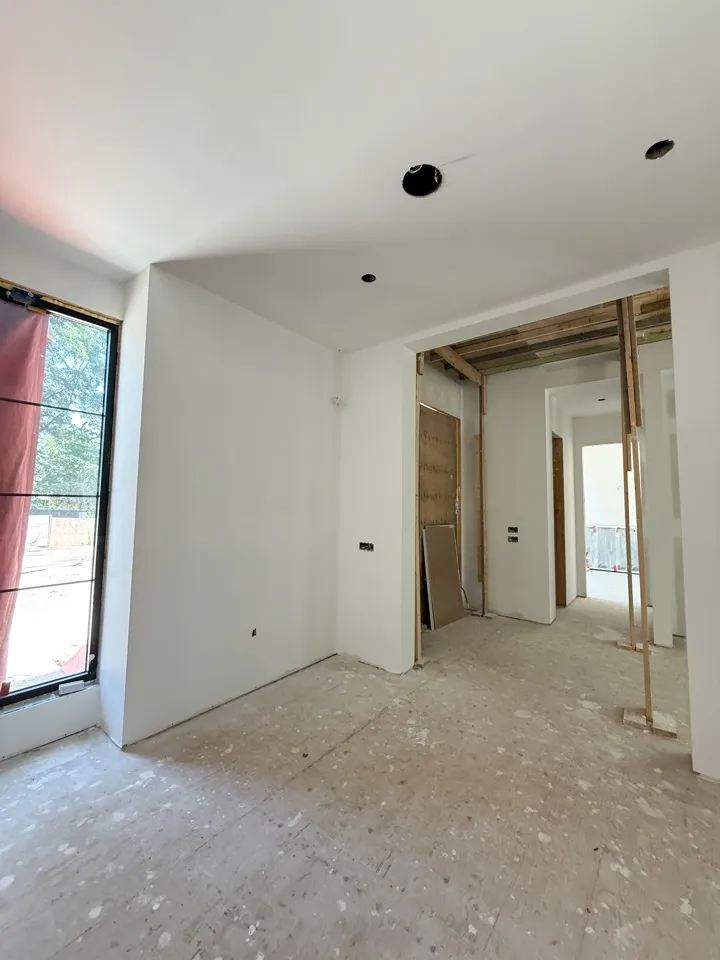
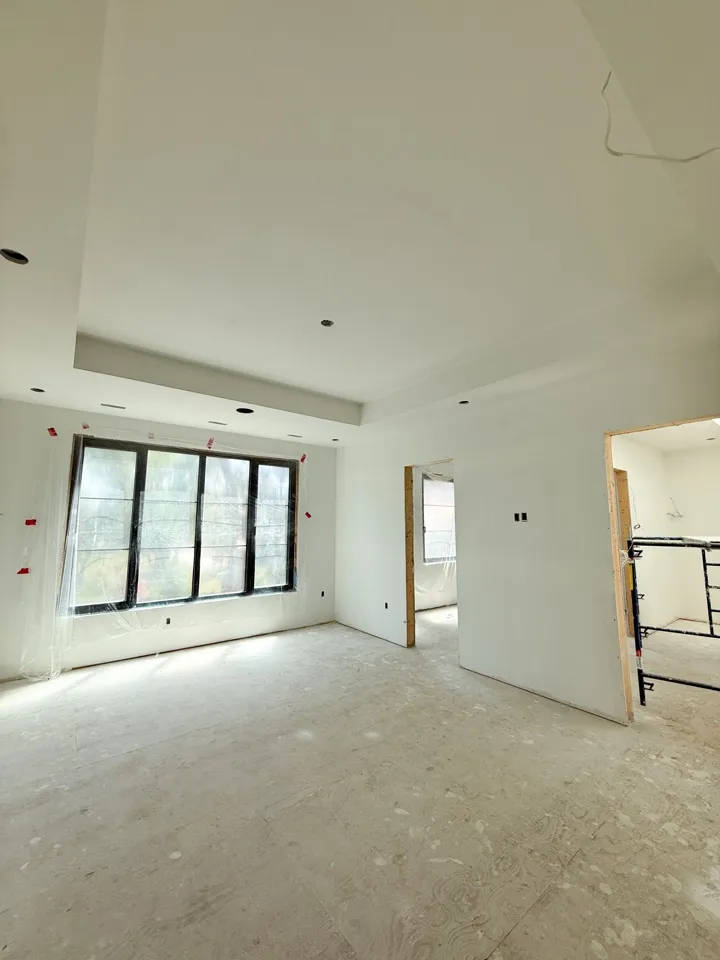
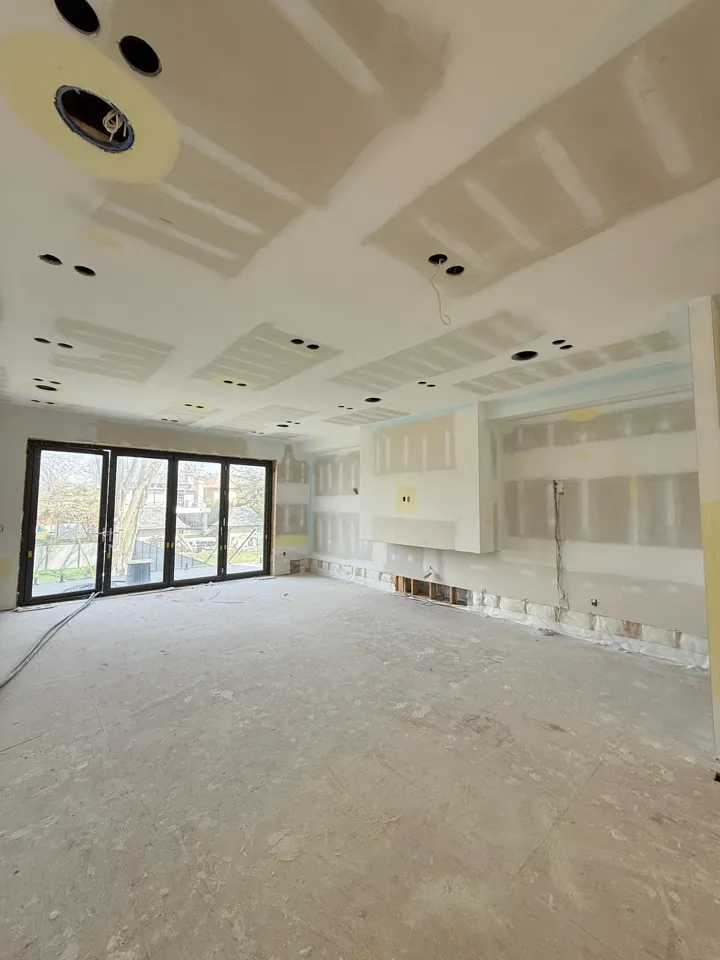
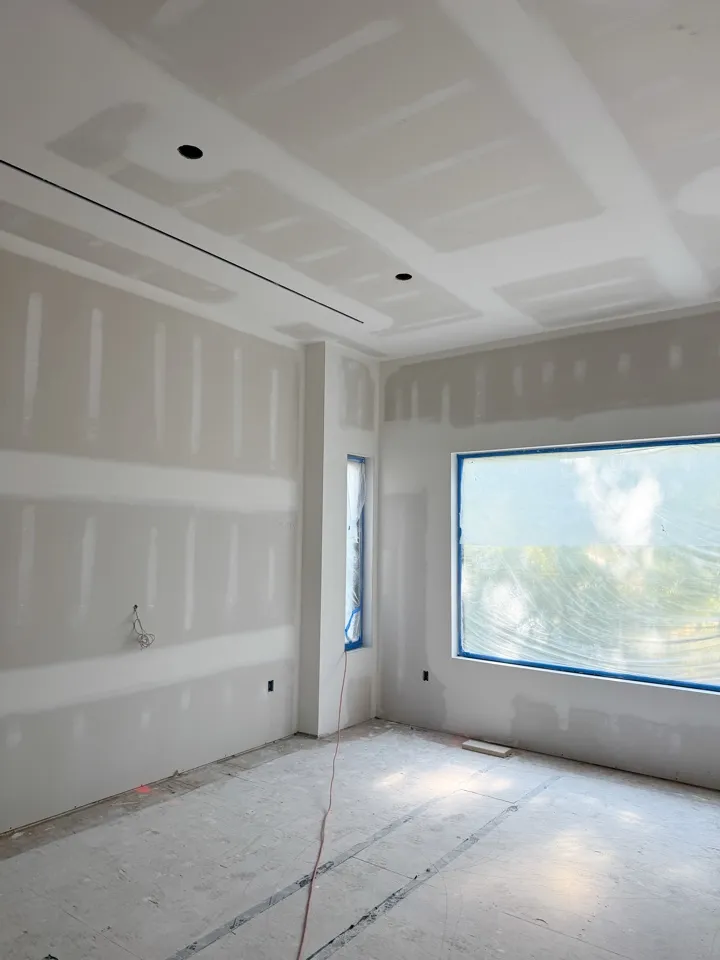
Everything in the house that is painted is painted onto our plaster & taping. Joints bedded and taped, screws filled, corners beaded straight, then coated, feathered wide and sanded. How many coats depends on the finish level agreed in the project specs, Level 4 or Level 5, room by room. Level 5 adds a full skim coat over the whole surface so board and joint disappear under paint. It is the most expensive finish, so it goes where light will show the wall: always on skylights, and in areas with large amounts of light.
It is the most visible trade in the building and the one that gets blamed for everything, which is why our tapers finish our own board. Before the board goes up we inspect the framing, and where a wall or ceiling needs backframing to come out flat we say so and price it as a separate service.
CNG tapes and finishes custom homes, townhome developments and multi-residential buildings across the Greater Toronto Area. We work with the client to set the right finish level for each room, deliver prime-ready walls, and come back after the primer for touch-ups.
The industry grades drywall finishing from Level 0 to Level 5. Level 4 is the standard finish under paint. Level 5 adds a full skim coat and costs the most, so we agree with the client where it is worth it: always on skylights, and in any areas with large amounts of light.
Tape embedded, then two further coats of compound over joints and fasteners, feathered out and sanded. Corners beaded and finished the same way. It is the standard finish for walls that will be painted in flat or eggshell finishes under normal light, and it is what most specifications mean by finished drywall.
Everything in Level 4, then a thin skim coat of compound over the entire surface, sanded so the paper texture of the board and the density difference at the joints vanish under paint. It is always the finish on skylights, and the finish for areas with large amounts of light: great rooms, stairwells and ceilings under big windows. It is also the most expensive level, so it goes where it will be seen, not everywhere by default.
Cracked joints and beads are the call-back nobody wants a year after the painter leaves. These four steps are how we finish every job, and why those calls do not come.
Level 5 always on skylights and wherever large amounts of light hit a wall or ceiling. Level 4 for most other walls under paint, including multi-residential units. Level 5 costs the most, so it is not necessary through the whole house; we work with the client and mark the drawings room by room.
In Toronto the words are used for the same trade. Taping is the joint work: tape, compound, corners, sanding. Skim coating a whole wall with compound to Level 5 is what most people mean by plastering a new house. We do both, and we also skim over existing surfaces on major renovations.
Roughly two weeks on a custom home from first tape to final sand, depending on the size of the house, and longer for a townhome block or a multi-residential floor. Compound needs roughly a day between coats in a heated, ventilated house, so the schedule depends on the house being closed in with heat on.
Wet framing that shrinks, ceilings boarded before the house is dry, joints finished too thin or too fast in cold weather, and framing that was never straight. We control what we can: heat between coats, the full number of coats for the agreed level, and a framing inspection before board so backframing can be recommended where it is needed.
No. We hand over sanded and dust-free, ready for the painter’s primer, and we come back once the primer is on for post-prime touch-ups. A Level 5 skim is the surface a primer wants; it is not a substitute for one.
On major builds and full renovations where we are also boarding, yes, including skim coats over existing walls. We focus on new construction and major builds rather than small repair and home-improvement jobs.